
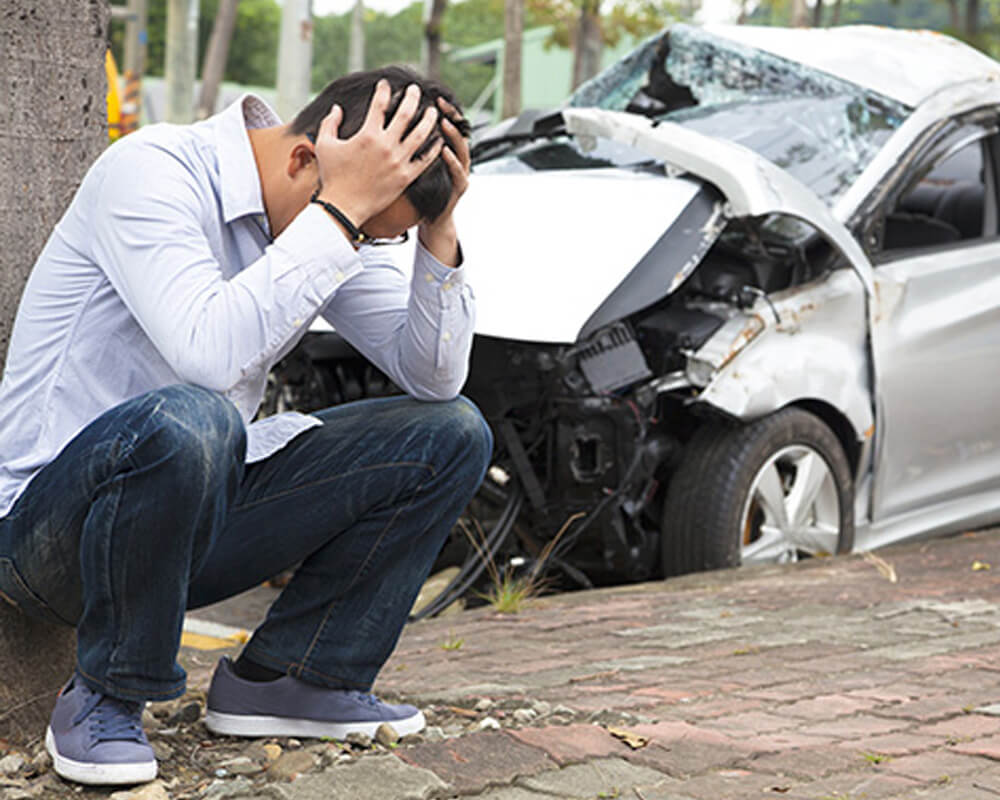
Last month we talked about just how common Post-Traumatic Stress Disorder is after being in a motor vehicle crash. Read about How to Identify PTSD after a vehicle crash.
But what’s next if you’re now head on with these symptoms?
When should I get help?
Experiencing post traumatic symptoms immediately after a crash is completely normal. You’ve been faced with a traumatic event and you’re trying to deal with the emotional and physical consequences. But if two to three weeks later the symptoms still haven’t decreased, you may be at risk for developing PTSD. This is the time to get help. Treating symptoms related to PTSD early in your recovery, can help prevent developing the disorder.
But just having symptoms doesn’t mean you have PTSD, it’s a disorder that needs to be diagnosed by a mental health professional.
Can I do it on my own?
Maybe! Here are some self-help strategies that might work in managing your symptoms and preventing PTSD:
- Relaxation and breathing techniques
- Grounding or mindfulness techniques
- Coping statements
Here are some links you might find helpful:
- PTSD Association: Coping Strategies
- Anxiety BC: Adult PTSD
- PTSD: Treatment
- Mental Health America: PTSD
- ADAA: Finding Help
Okay, so how do I get professional help?
Can’t do it on your own? That’s okay! If you’re having difficulty coping or treating your symptoms, this is the time to get in touch with a psychologist or psychiatrist who specializes in treating trauma.
If you’re being treated by an occupational therapist or physiotherapist because of your crash, ask if their clinic offers services for treating PTSD. You can also ask your doctor or visit a mental health clinic to find out what services are available in your area.
What should I expect?
Going in for counseling may seem daunting, but usually getting yourself there is the hardest part. Treatment varies depending on the counselor and the situation, but often consists of:
- Individual counseling to help you understand and change how you think about the crash and aftermath
- Learning coping strategies like relaxation, breathing and coping statements
- Controlled, safe exposure to feared thoughts and situations
- Group therapy to help cope with your symptoms through the support of others going through something similar
- In some situations, medication
What might not work?
There are many things you can do to help with PTSD, but there are also things that might not help:
- Single session interventions
- Avoiding situations that trigger symptoms (like not returning to driving, not going near the crash location, avoiding intersections or avoiding certain driving maneuvers)
- Medicating to suppress symptoms to treat PTSD (that’d be like taking pain medication for a broken leg and expecting it to make the bone heal)
Delayed Onset PTSD
Most people who develop PTSD will see the symptoms within six months of the crash. But for some, symptoms associated with PTSD could show up over 6 months after the accident. This is called delayed onset PTSD. It’s not clear why it takes some people so long to develop symptoms.
Take Action
Whether it’s been weeks or months of experiencing PTSD symptoms, take action now. Your mental health is important and affects every aspect of your life. Waiting to get a PTSD diagnosis will just make things worse. Do what you can on your own and don’t be afraid to seek the help of a professional.



Reader Comments (11)
HELP FOR PTSD
July 24, 2018 — Ashley KoreeThis is good idea to get help after a crash.
GREAT
July 10, 2018 — Henry SmithI am agree with your material, Great way to get help related about PTSD.
Good
June 11, 2018 — Chris GreenGood to know about that. I believe that this will help to minimize the rate of loss in road accidents due to PTSD. Thanks for sharing the best guidelines.
A ROAD ACCIDENT IS A MEASURE
April 25, 2018 — cathyA road accident is a measure casualty factor that everyone must secure & take all measure for precautions.
INTERESTED IN COMMENT FOR GETTING HELP FOR PTSD.
April 3, 2018 — Aditya.apspsThere will be less time and less strain and stress involved with early treatment.” Psychologists attribute the low rate of treatment to the stigma and many myths attached to seeing a therapist.
GREAT BLOG.
February 21, 2018 — Lou PachecoVery useful website! Thank you for sharing this information! Keep posting your articles!
The majority who develop PTSD will see
January 25, 2018 — Stephen MerchantThe majority who develop PTSD will see the manifestations inside a half year of the crash. Be that as it may, for a few, side effects related with PTSD could appear more than a half year after the mishap. This is called latent beginning PTSD. It's not clear why it takes a few people so long to create side effects.
GETTING HELP FOR PTSD
December 21, 2017 — Alex FergusonThat is alright! If you're experiencing issues adapting or treating your issues, you can ask your specialist or visit a psychological wellness centre to discover what is available in your general vicinity.
RE:
December 20, 2017 — Richard MatthewVehicular mishaps can have side effects. Car crashes have turned into the main source of PTSD since the Vietnam war. It is assessed that 9 percent of survivors of genuine mishaps create critical post-trauma symptoms and that numerous different survivors have PTSD-like responses.
IT WAS A FANTASTIC POST ON
December 13, 2017 — SvetlanaIt was a fantastic post on PTSD. This is imperative for us to keep our driving safe from additional elements that is useful for our and lives of others.
GOOD POST
November 16, 2017 — Elizabeth RboatrightIt was an excellent article on PTSD. It helped a lot to get good information on this topic. The post was very useful.